Protected lands · Wakamatsu Farm
The first Japanese colony in the United States. Still here.
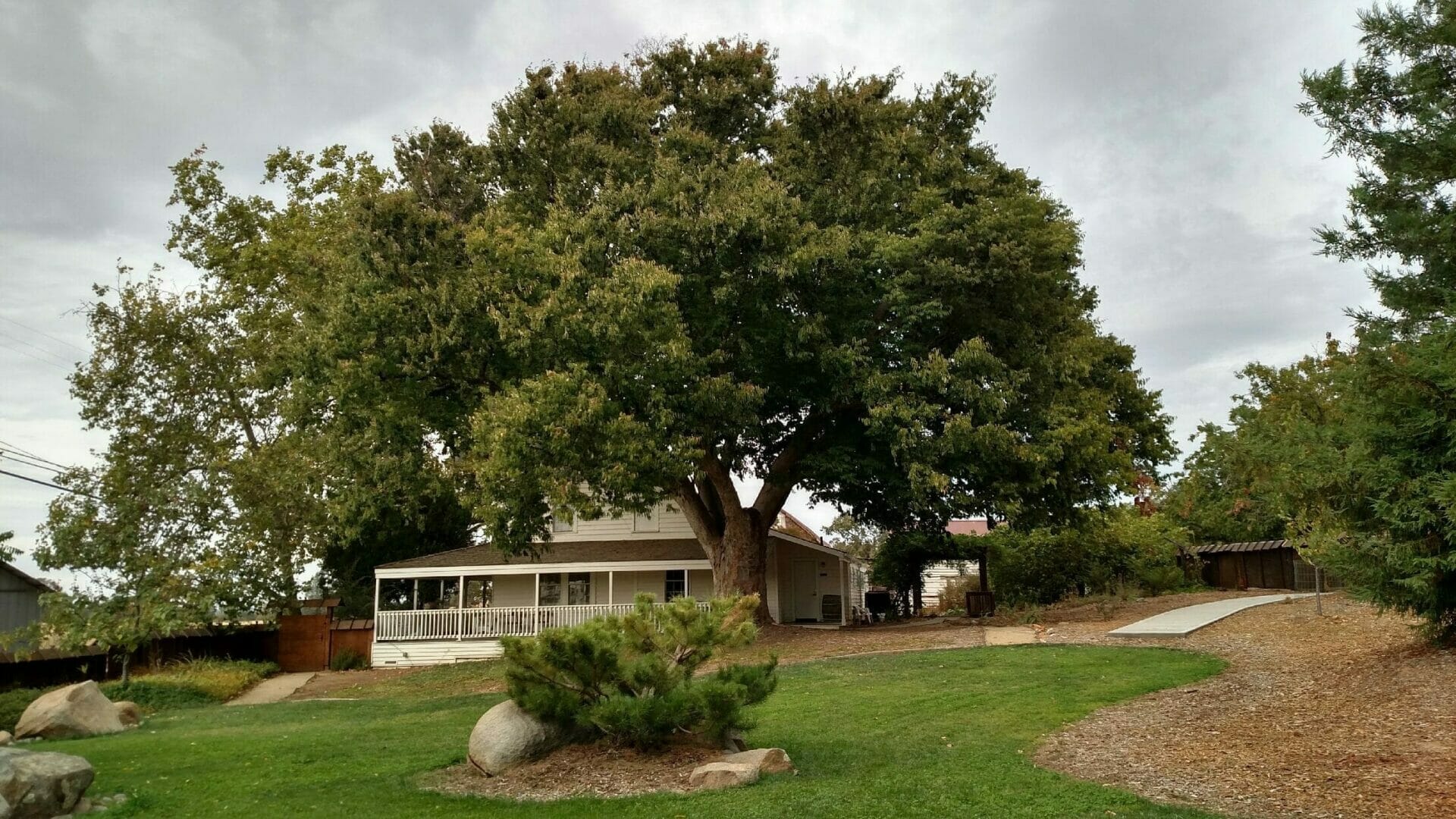
In June 1869, a small group of pioneers from Japan founded the Wakamatsu Tea and Silk Farm Colony on this Placerville hillside. The Keyaki tree they planted still stands. The grave of Okei-san — the first Japanese woman buried in the United States — is here. So is a working farm.
-
Find us
941 Cold Springs Road, Placerville, CA
-
Open Farm Days
One Saturday in spring & one in fall
-
Tours
Public, private, and open by request
-
Dogs
Not permitted on the farm
The history
Three firsts in one place.
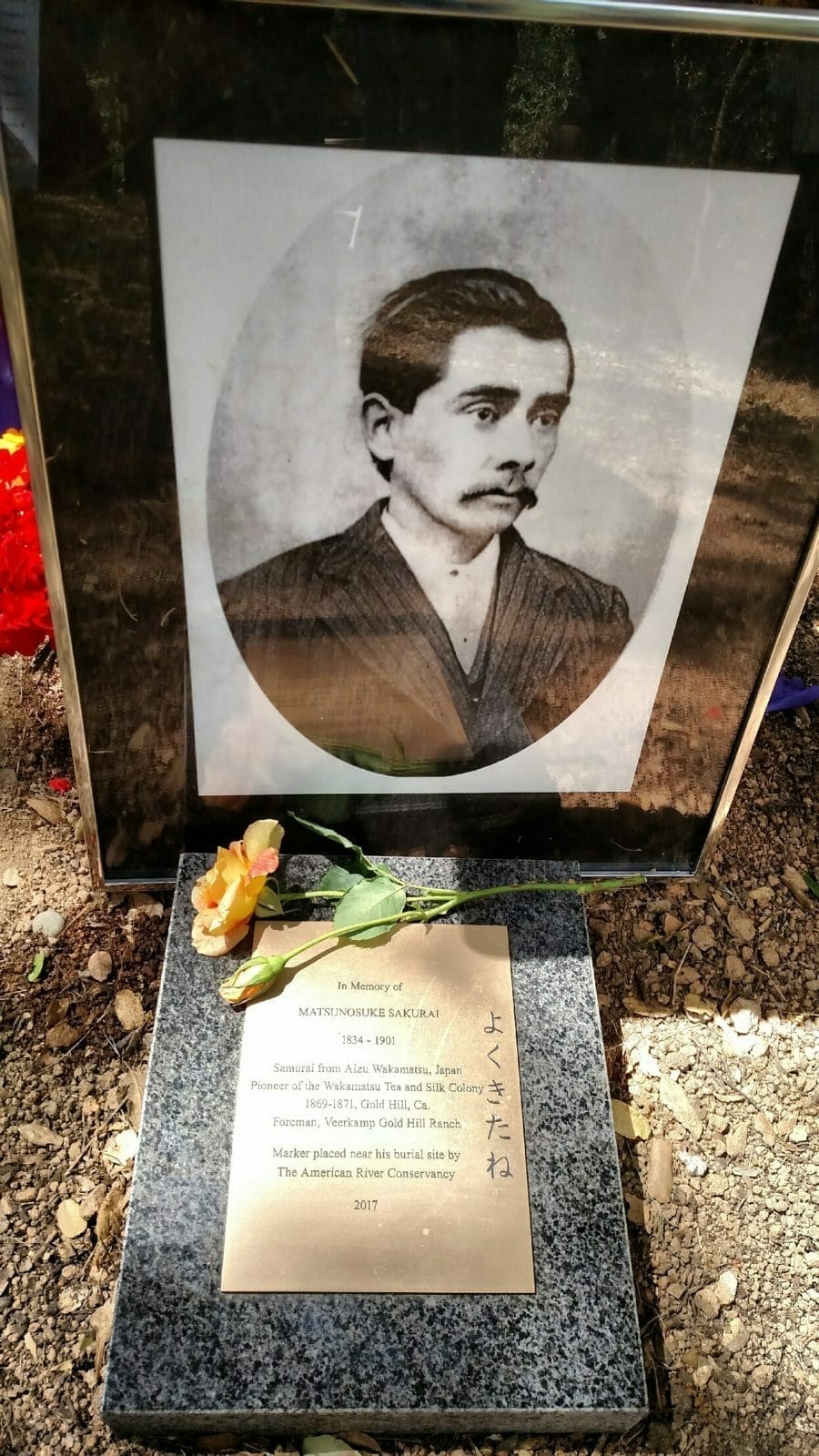
Wakamatsu was the first Japanese agricultural colony in the United States, established on June 8, 1869, by a small group of pioneers from Aizu-Wakamatsu fleeing the upheaval of the Meiji Restoration. The site is the birthplace of the first Japanese American. It is also the grave site of the first Japanese immigrant and the first Japanese woman buried in the United States. The 272 acres are a National Historic Landmark in the truest sense — still here, still farmed, still walked.
What the property holds
272
Acres of farm and woodland
1869
Year the colony was founded
June 8
$10
Open Farm Day admission
Per visitor
2
Open Farm Days per year
One in spring, one in fall
Today
A working farm, a learning campus, a community place.
Wakamatsu is a community place to experience natural resources, sustainable agriculture, and cultural history. Visitors of all ages enjoy fun, educational, and enriching activities. Volunteers and partners create and maintain a vibrant, welcoming, and biologically diverse landscape — restoring historic structures, oak woodlands, riparian areas, and wetland habitat. FogDog Farm grows organic food on-site. The Bob Masaad Education Center hosts classes year-round.
What you can do here
Five reasons to visit Wakamatsu.
Open Farm Days
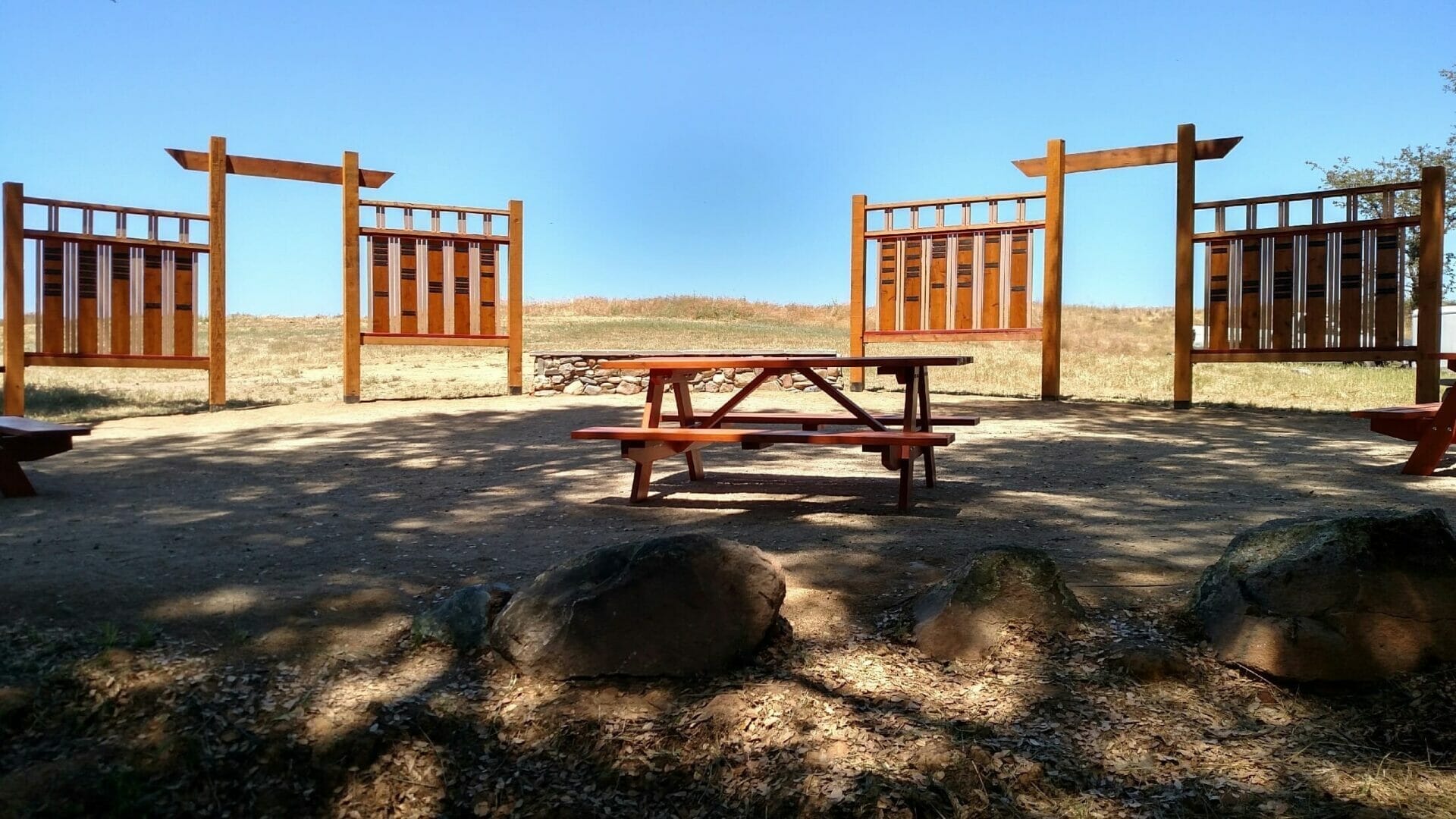
Hike, picnic, relax at your pace. Interpreters onsite to answer questions. Suitable for all visitors. $10 per person.
School field trips
NGSS-aligned, K-12, 2.5 hours, $10 per student. Programs run rain or shine — covered pavilion for inclement weather.
Public events
Workshops, lectures, hikes, herbal classes, and Japanese flower arranging — most weeks of the year.
Stewardship workdays
Restoration of historic structures, oak woodlands, riparian areas, and wetland — volunteers welcome.
Rent the farm
Weddings, retreats, gatherings — proceeds support stewardship and education at Wakamatsu.
Heritage pilgrimage
Visit the Keyaki tree, Okei-san’s grave, the original farmhouse — anytime by appointment.
A landmark historic farm in Placerville, California, Wakamatsu Farm is the original site of the Wakamatsu Tea and Silk Farm Colony, established June 8, 1869.
Visit · Volunteer · Support
Walk where the colony walked.
Spring and fall Open Farm Days fill quickly. Stewardship workdays accept new volunteers every season. The Bob Masaad Education Center fundraising for Phase 2 is ongoing — every gift helps shelter the next generation of learners.